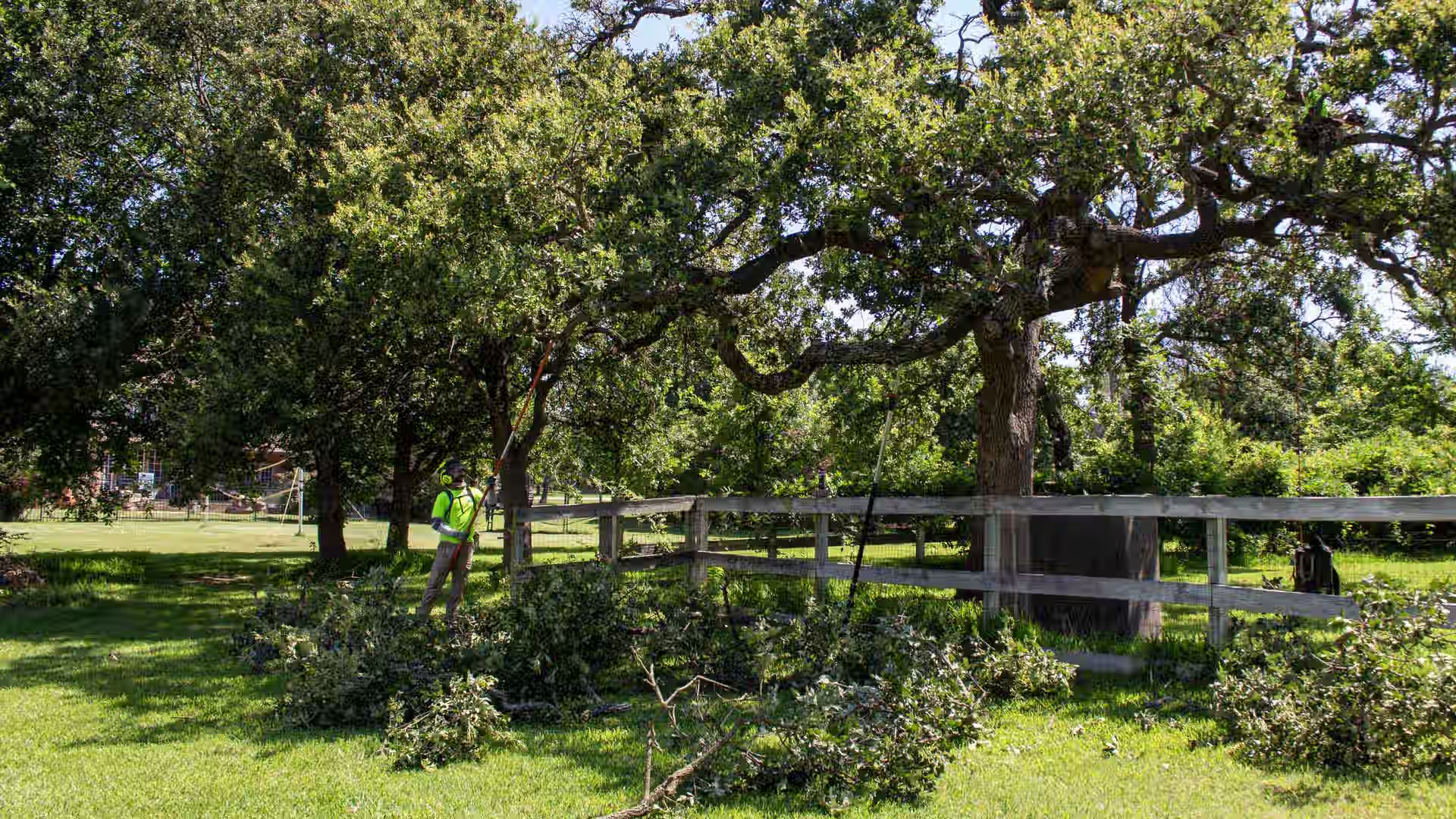
Tree Pests in Denton County
Our Consulting Arborists encounter many insects afflicting trees in North Texas. Below is a list of the most common insects that infest trees in Denton County and Collin County. Many of the insects are evidence of other stress factors that the tree is dealing with, like poor irrigation (too much water or too little) or lawn treatments. A thorough evaluation by an ISA Certified Arborist trained in Plant Health Care is needed to determine the root cause of the infestation.
Aphid Insects
Aphids feed on Hackberries, Pecans, Elms, and other tree species. They are tiny and pear-shaped. They do not cause a lot of damage, but their droppings (also known as honeydew) can lead to a “sooty” mold on the tree. The “honeydew” from the insects can also cause the ground underneath the tree to become sticky.

Scale Insects
Scales, as the name indicates, have the appearance of a scale. They commonly infest Crape Myrtles, but they can also be found on Magnolias, Elms, and other tree species. Like Aphids, they drop honeydew, which can lead to sooty mold on branches.

Bagworms
Bagworms are caterpillars that form a bag. These can be seen hanging from branches or twigs. Infestations can be very detrimental to a tree. They feed on Junipers, Cypress, Oak, Arborvitae, and other tree species.

Fall Webworms

Fall webworms can be identified by the large webs that they form at the edge of the canopy. Fall webworms can defoliate a tree, causing severe damage. They can be found in many tree species in the area.
Emerald Ash Borer

The Emerald Ash Borer (EAB) is an invasive species that has killed tens of millions of Ash trees in the United States. The destructive tiny green beetle tunnels into the bark, leaving a ‘D’ shaped hole in the trunk of Ash trees. To control the spread of the EAB, Ash trees must be injected with a systemic insecticide before infestation. An infestation will kill a tree and lead to further spread of the EAB.
What Can You Do?
If you live in Denton County, Texas, and you think that your tree is being attacked by a pest, please contact Tree Shepherds. One of our ISA certified arborists can analyze the situation and design a treatment plan that is quickly put into action.