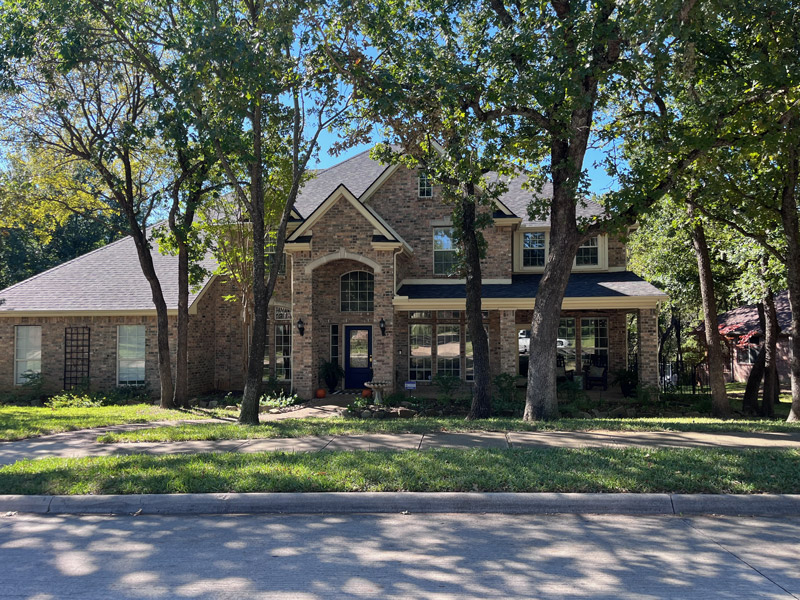
Healthy, mature trees are one of the most valuable features on a property. Well-maintained trees improve curb appeal, increase shade, reduce energy costs, support soil health, and can significantly increase property value. In many cases, large healthy trees are worth thousands of dollars.
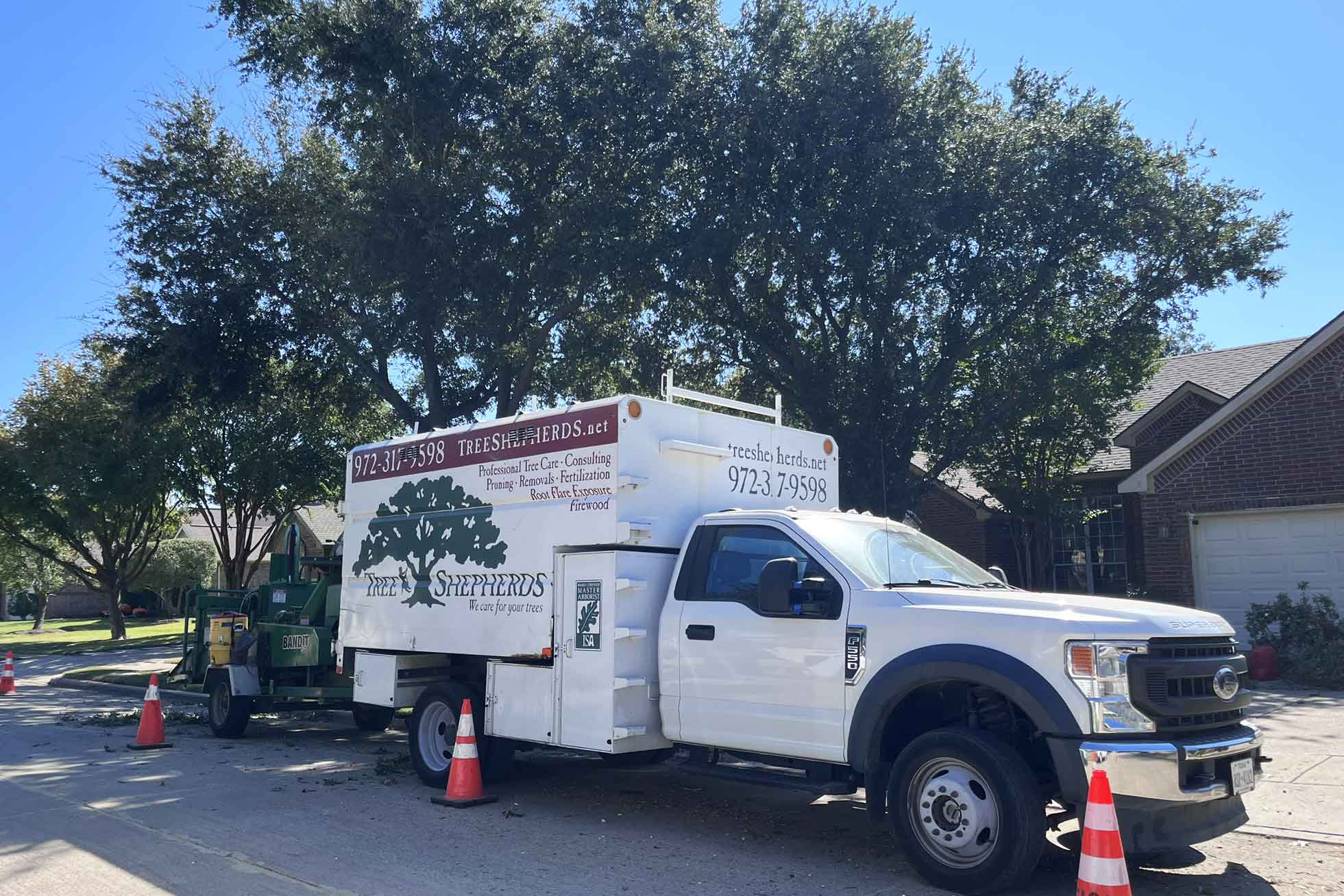
At Tree Shepherds, we help homeowners throughout North Texas protect and improve the long-term value of their trees through professional tree care.
Why Mature Trees Are Valuable
Trees provide far more than aesthetics. Mature trees contribute measurable environmental and financial benefits to residential and commercial properties.
Benefits of healthy mature trees include:
- Increased property value
- Lower cooling costs through shade
- Improved curb appeal
- Storm water management
- Wildlife habitat
- Noise reduction
- Improved air quality
- Privacy screening
Research consistently shows that attractive, mature trees can increase property value and help homes sell faster. For more information, see Arbor Valley.
What Determines a Tree’s Value?
Professional arborists evaluate trees using several key factors. These include:
Tree Species
Certain species are considered more desirable because of their longevity, structure, drought tolerance, and overall landscape value. In North Texas, large native oaks, pecans, cedar elms, and other hardy shade trees are often highly valued.
Size and Age
Large, established trees are typically worth far more than newly planted trees. Mature, healthy trees can take decades to replace. The trunk diameter and canopy size play a major role in professional appraisals.
Health and Structural Integrity
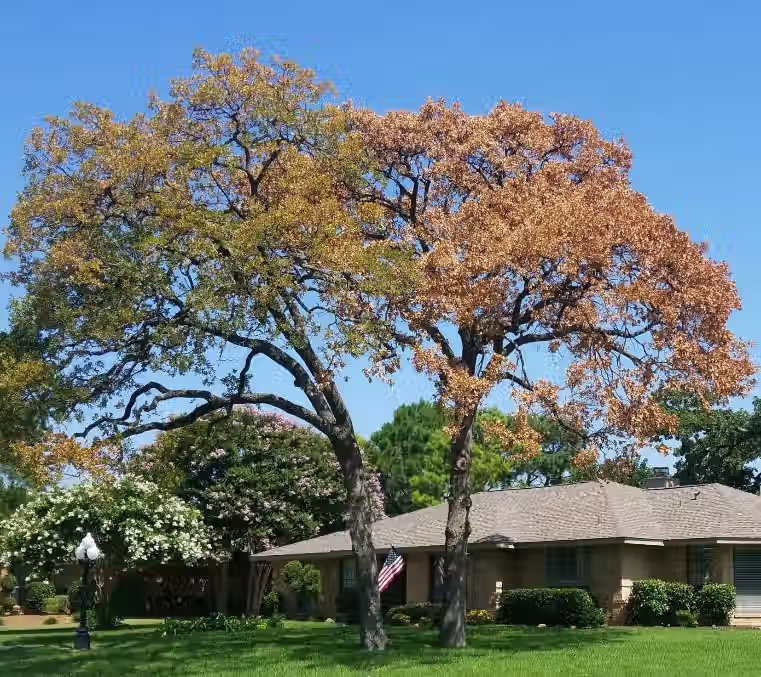
Trees with healthy canopies, strong branch structure, and vigorous root systems retain significantly more value than declining or damaged trees.
Decay, insect infestations, root problems, co-dominant stems, storm damage, or poor pruning practices can greatly reduce tree value.
Location on the Property
Trees located in prominent landscape positions typically contribute more value than trees in less functional areas. Shade trees near homes, patios, and streets often provide the greatest return.
Maintenance History
Trees that receive professional pruning, fertilization, root care, and regular inspections generally live longer and maintain higher landscape value over time.
How to Increase the Value of Your Trees
Proper Pruning
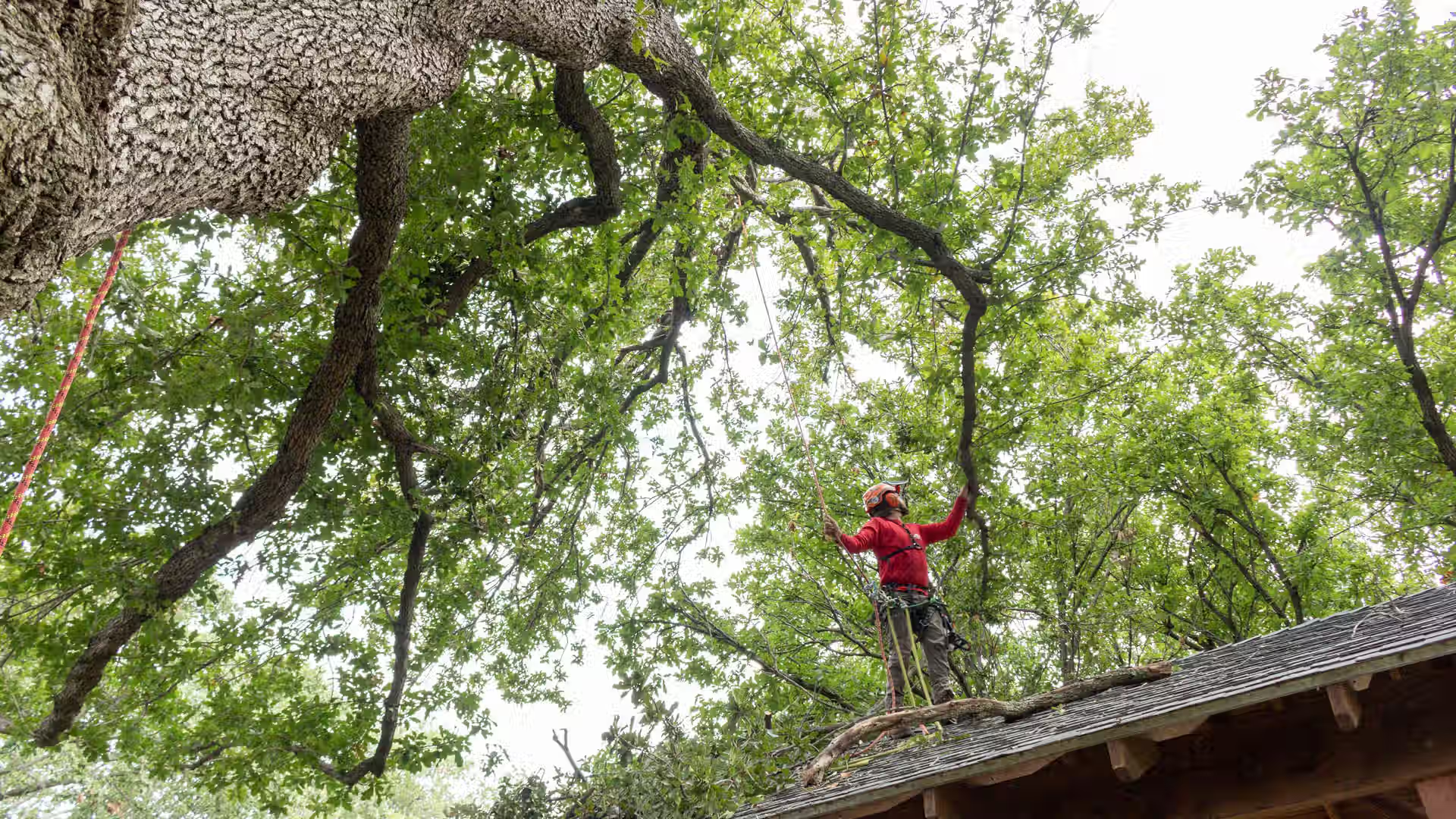
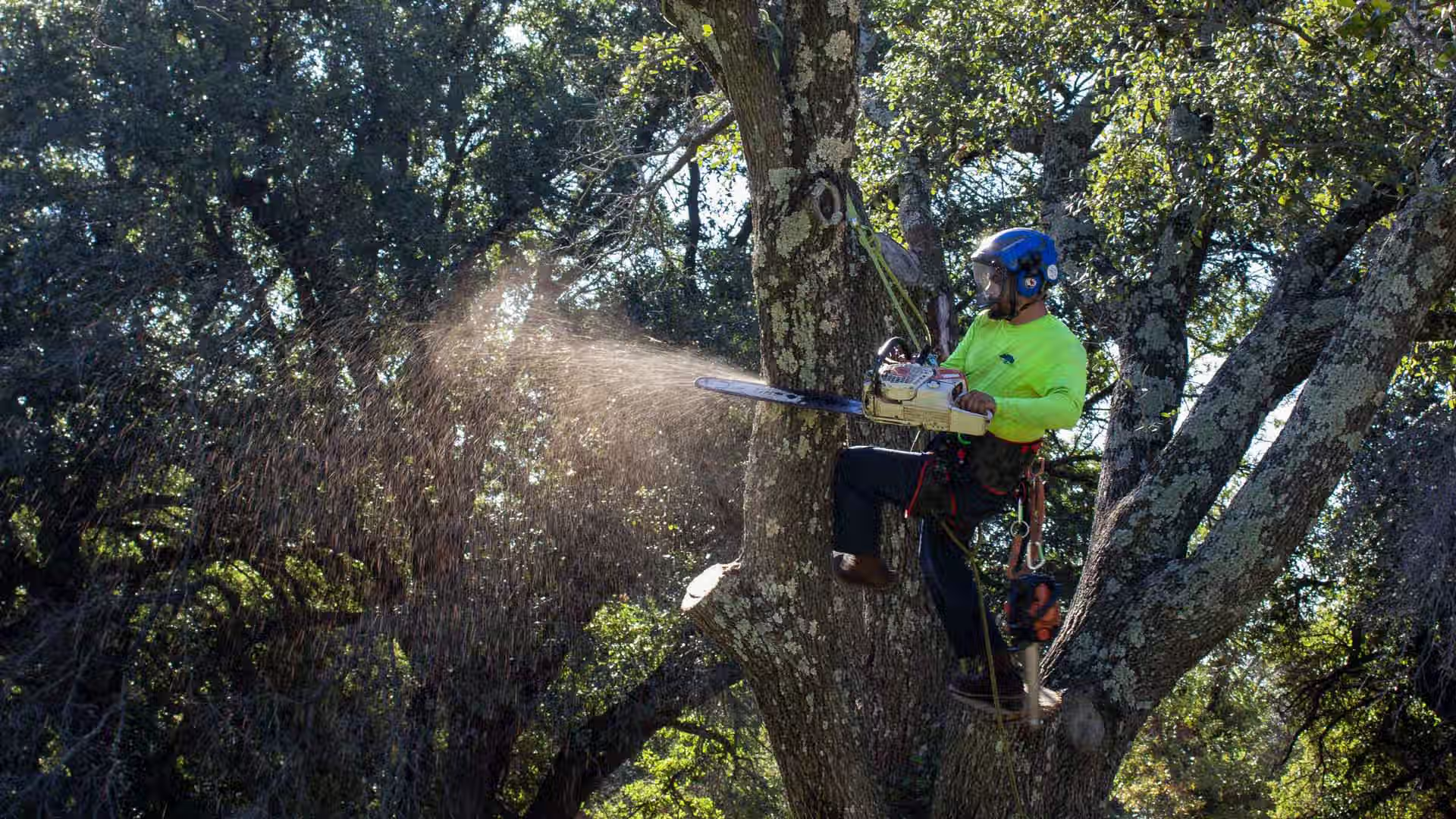
Correct structural pruning is one of the best ways to improve a tree’s long-term health and value. Professional pruning helps:
- Remove dead or hazardous limbs
- Improve branch structure
- Reduce storm damage risk
- Increase airflow and light penetration
- Encourage healthy canopy growth
Poor pruning practices such as topping or excessive canopy removal (e.g. Lion’s Tailing) can permanently damage a tree and reduce its value.
Protect the Root System
Many tree problems begin below the soil surface. Construction damage, soil compaction, buried root flares, and poor drainage and over-watering can severely impact tree health.
Protecting roots is essential for long-term growth and stability.
Services that help protect root health include:
- Root flare excavation
- Soil improvement
- Mulching
- Proper irrigation/watering practices
- Avoiding trenching or construction near tree roots
Improve Soil Health
Urban soils throughout North Texas are often low in organic matter. Trees growing in stressed soils may struggle with nutrient deficiencies, canopy dieback, and compaction.
Professional fertilization and soil care programs can help trees:
- Develop stronger root systems
- Improve canopy health
- Resist drought stress
- Recover from construction damage
- Better fight off insects and disease
Healthy soil supports healthy trees.
Address Insects and Disease Early
Disease and insect infestations can impact tree safety and landscape value, if left untreated.
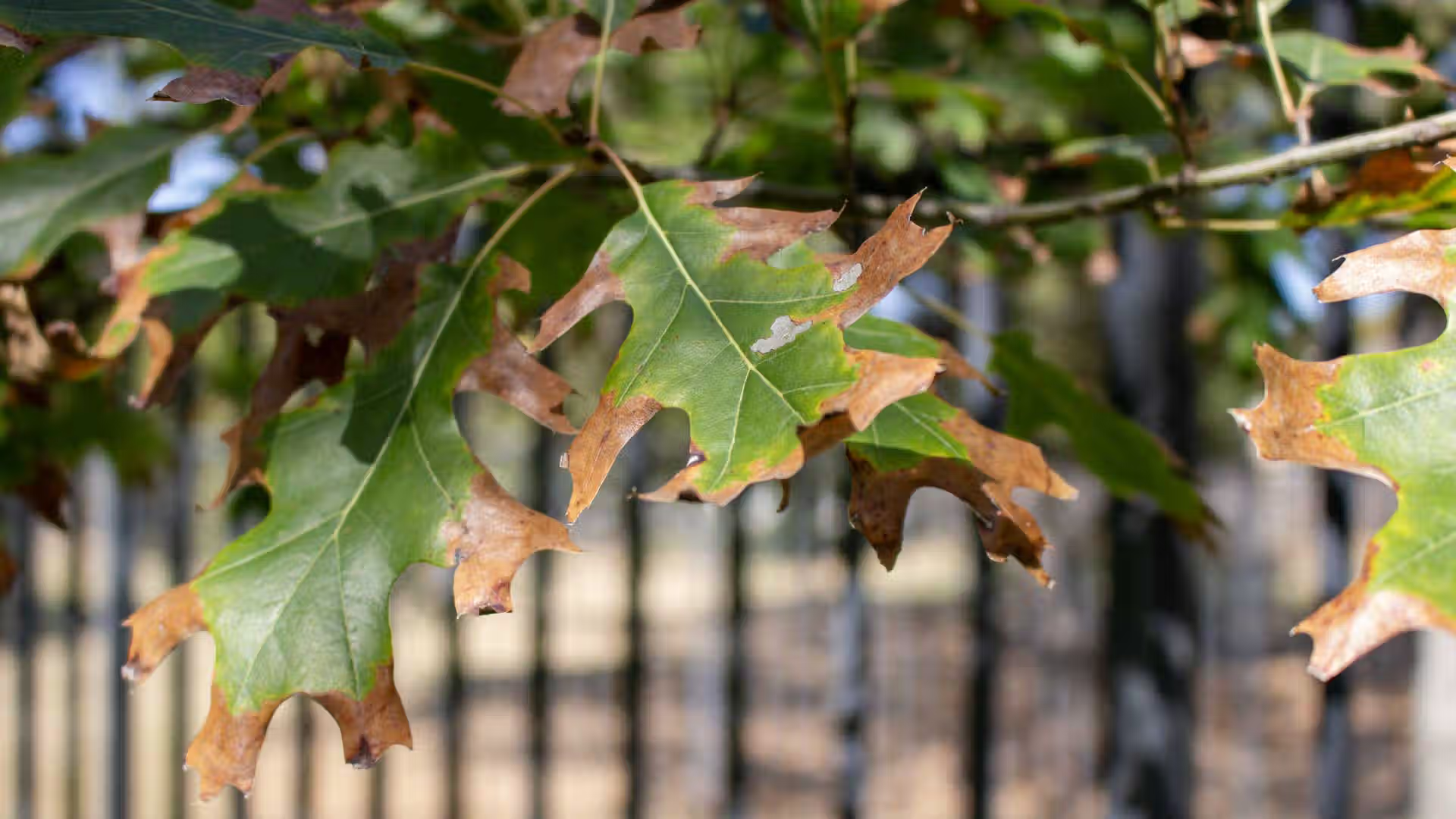
Early diagnosis is critical. Warning signs may include:
- Premature leaf drop
- Sparse canopy growth
- Discolored foliage
- Dead branches
- Bark cracking
- Fungal growth
- Wood-boring insect activity
Regular inspections by an ISA certified arborist help identify problems before they become severe.
Avoid Tree Damage During Construction
Construction is one of the leading causes of tree decline in residential landscapes. The use of heavy equipment over the tree’s critical root zone, and trenching near roots can permanently damage root systems.
Professional arborist tree survey and arborist consultations can help preserve valuable trees during development projects.
Invest in Trees Early
Trees are long-term investments that grow more valuable with time if they are properly maintained.
Young trees benefit greatly from proper planting techniques, structural pruning, watering practices that are specific to the species and the location root flare exposure as well as guidance on species needs.
Work With Certified Arborists
Professional tree care protects both the health and financial value of your landscape. ISA Certified Arborists understand how to identify developing problems, improve tree structure, and create long-term maintenance plans tailored to North Texas conditions and challenges.
At Tree Shepherds, our team of ISA Certified Arborists provides professional tree pruning, fertilization, root flare excavation, tree risk assessments, disease diagnosis, tree surveys, and arborist consultations in North Texas.
Schedule a Tree Evaluation
If you want to improve the health, safety, and long-term value of your trees, our arborists can help.
Contact Tree Shepherds to schedule an evaluation with an ISA Certified Arborist and develop a professional care plan for your trees.
Get a Free Estimate
on Tree Pruning & Trimming