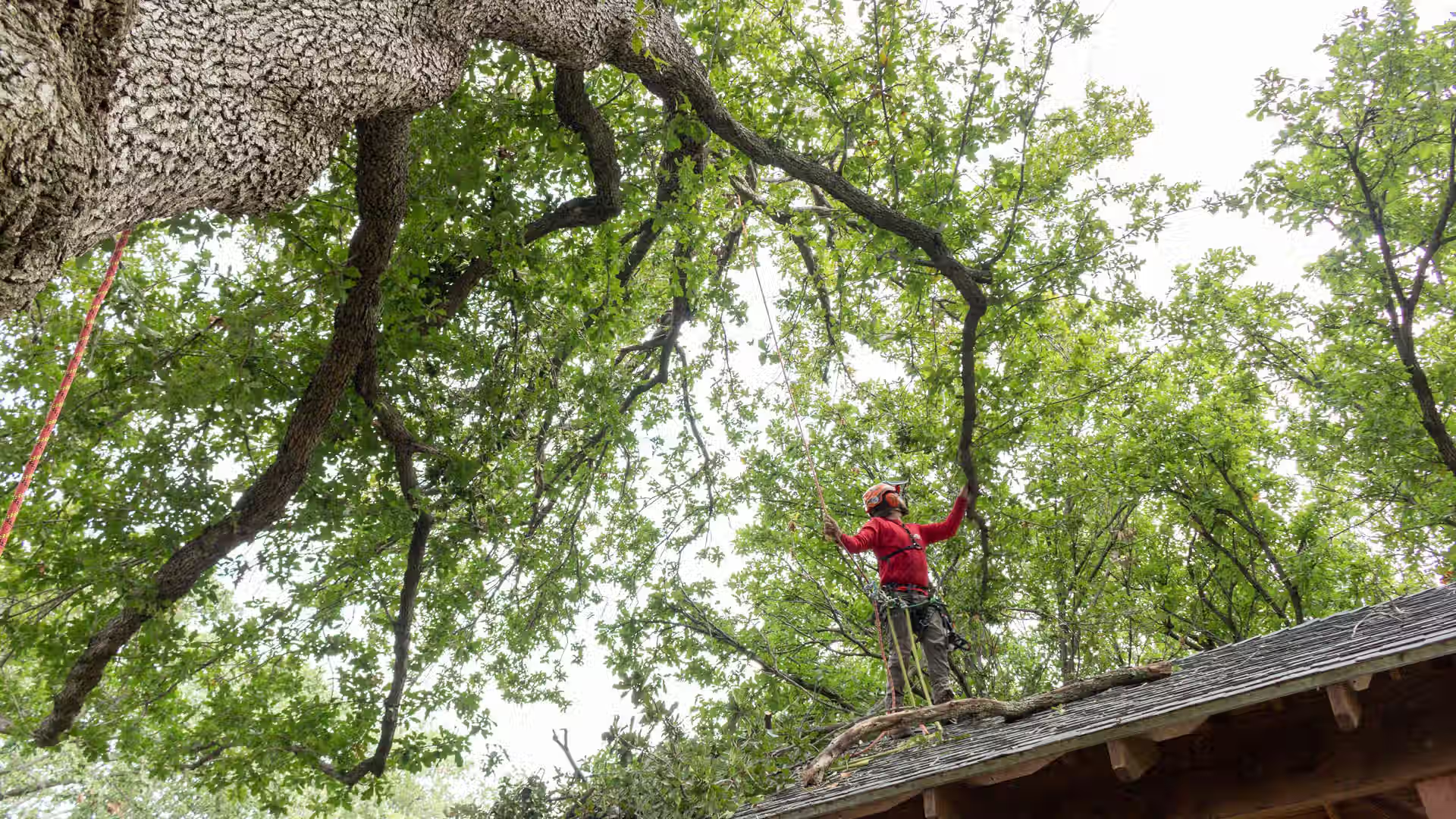
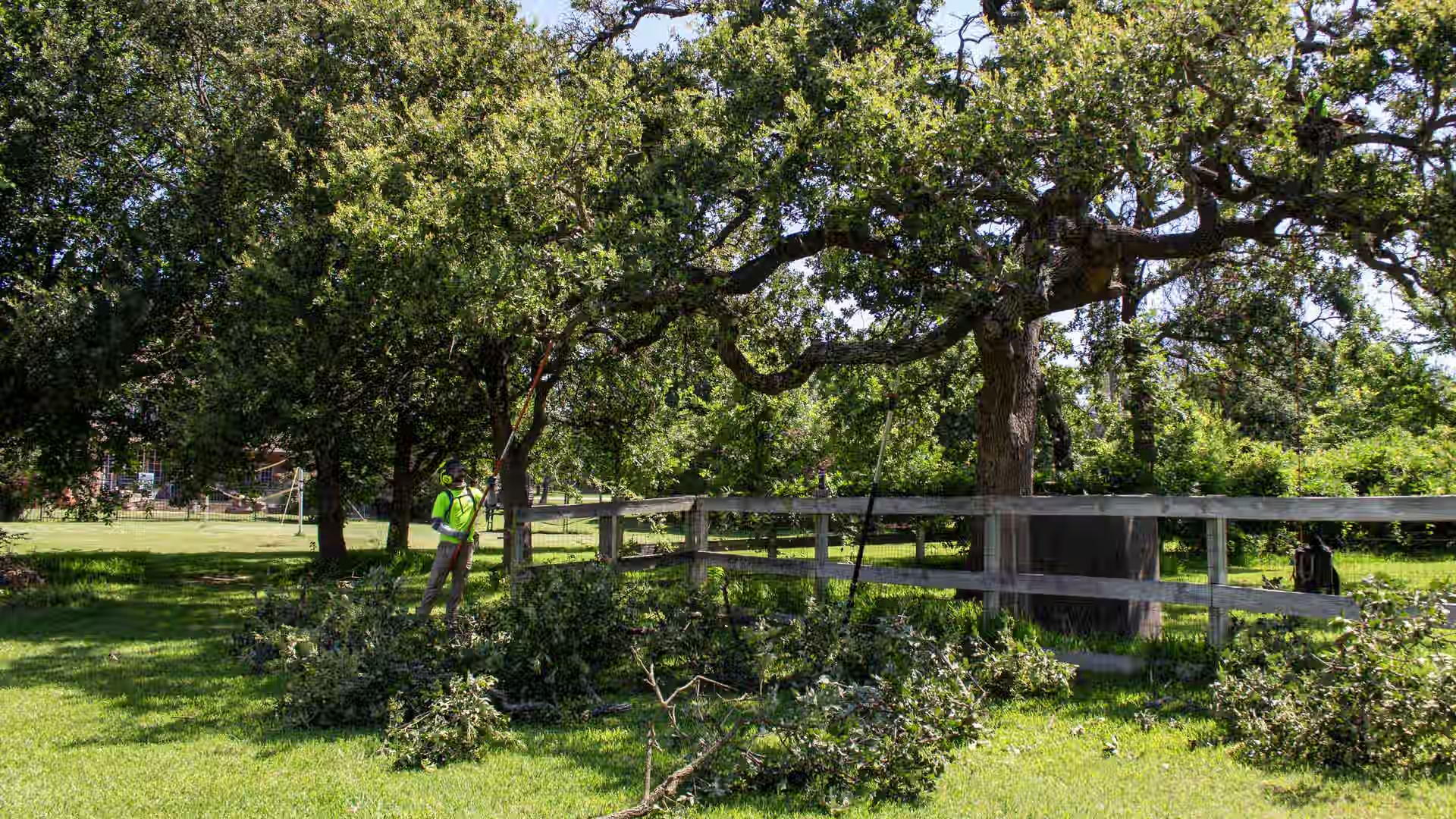
In most situations, trees in an urban environment should be inspected for pruning every 2 to 3 years. The time between pruning depends on many factors. The species of the tree, the health of the tree, the site in which the tree is planted, growth rates, weather conditions, etc.
Why Should Trees Be Pruned?
Regular pruning, along with other proper Plant Health Care (PHC) practices, will reduce the long-term cost of maintaining your trees.
A lot is demanded of a tree planted in an urban environment. A primary challenge is the soil. Prior to the construction of a house, most developers remove the nutrient rich topsoil that is essential to tree health and vitality. The use of heavy machinery further damages the soil by compacting it, making it more difficult for tree roots to grow and thrive.
Another challenge to maintaining healthy trees in an urban environment is the size of the yard. Most yards are too small for trees to flourish. Pruning is one of the management techniques that help a tree maintain its health and vigor in the space we are asking it to grow in.
Proper Pruning Techniques
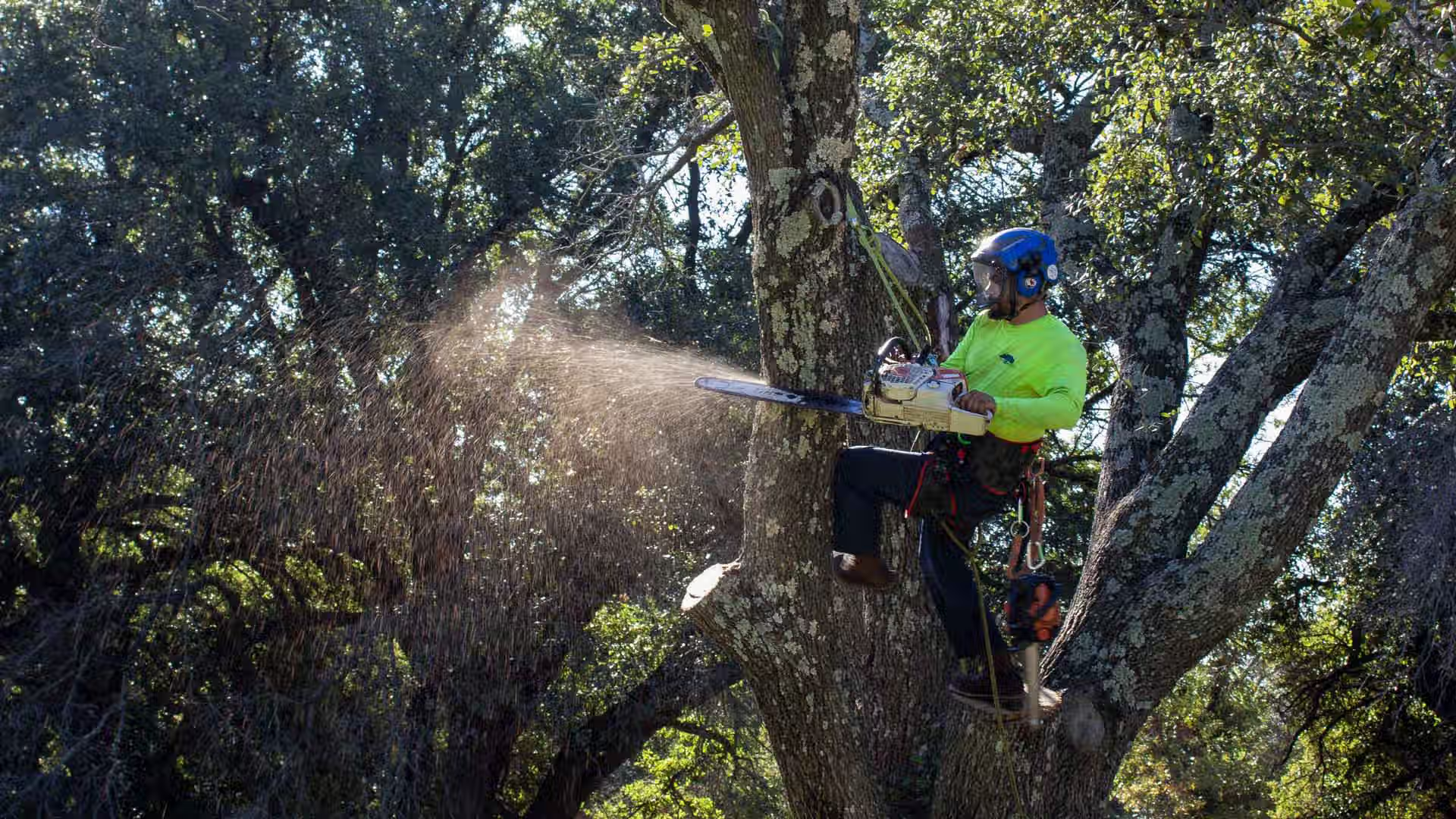
Master Arborist Scott Geer has said, “A tree should never be pruned for pruning sake…A tree is well maintained when professional arborists are allowed to work in the entire crown and only remove limbs and small branches that enhance the health and beauty of the tree.”
In other words, proper pruning is much more than cutting the lower limbs or stripping out the interior suckers.
General reasons for pruning:
- Removal of deadwood
- Reduction of branches hanging over buildings, fences, and other structures
- Reduction of interference with neighboring trees
- Reduction of end weight to reduce breakage and promote good structure
- Selectively thinning to improve air flow through the canopy
- Reduce transpiration rates to match root water absorption capacity
- Shape and beautify the crown
- To train and correct poor growth patterns
At times, a tree that has lost a limb in a storm or for some other reason, might need to be pruned.
Lion’s Tailing: Harmful Practice

Lion’s Tailing is not a proper pruning technique. While it might increase visibility of the house from the street, it is harmful to the health of the tree. We’ve written more on Lion’s Tailing and it’s damaging long-term effects to your tree here.
Haven’t had your trees pruned in a few years, one of our ISA Certified Arborists can properly inspect your tree and provide recommendations for its long-term health. Call us today: 972.317.9598