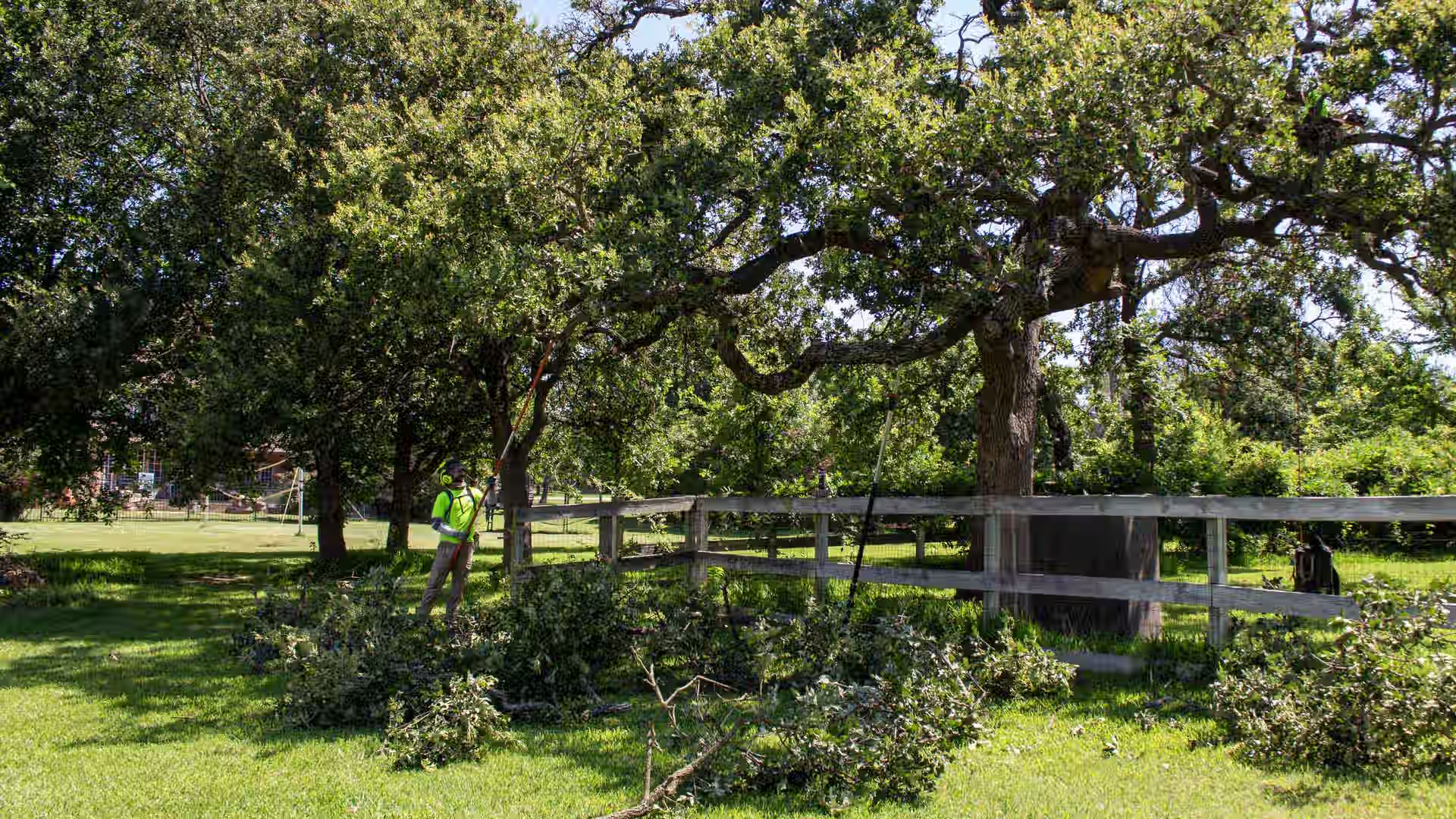
Not all damage caused to trees are visible. Like a bone fracture, it is hidden and extremely dangerous to the health and stability of the tree.
In Flower Mound and the surrounding areas, our arborists are discovering hidden storm damage in trees. This includes root damage, internal cracks and compacted soil.
Root Damage
High winds, excessive rain and flooding can cause roots to lift, especially in poorly drained areas. In extreme situations, tree roots might be lifted to such a degree that the tree suddenly falls over.
Signs of possible hidden root damage:
- Lifted ground
- Leaning tree trunk or shift in direction
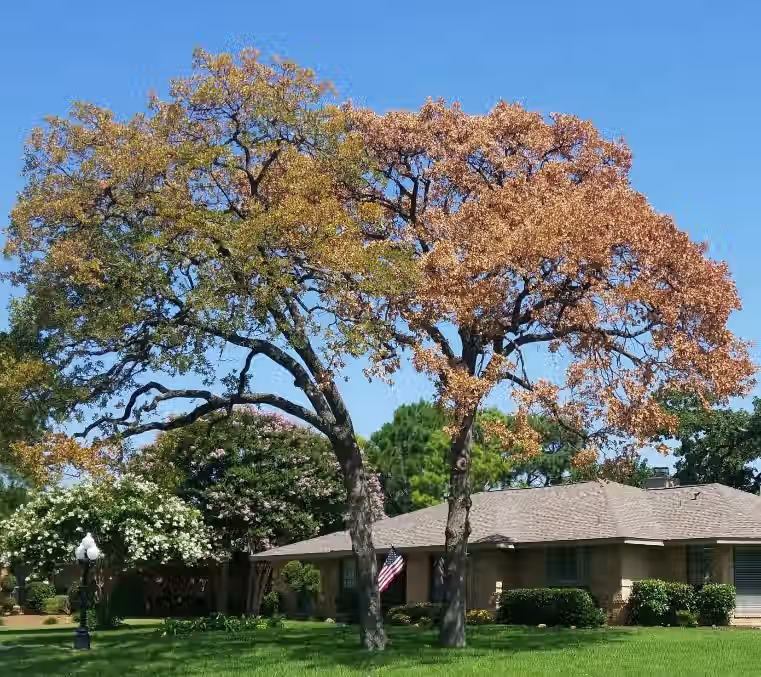
- Dieback
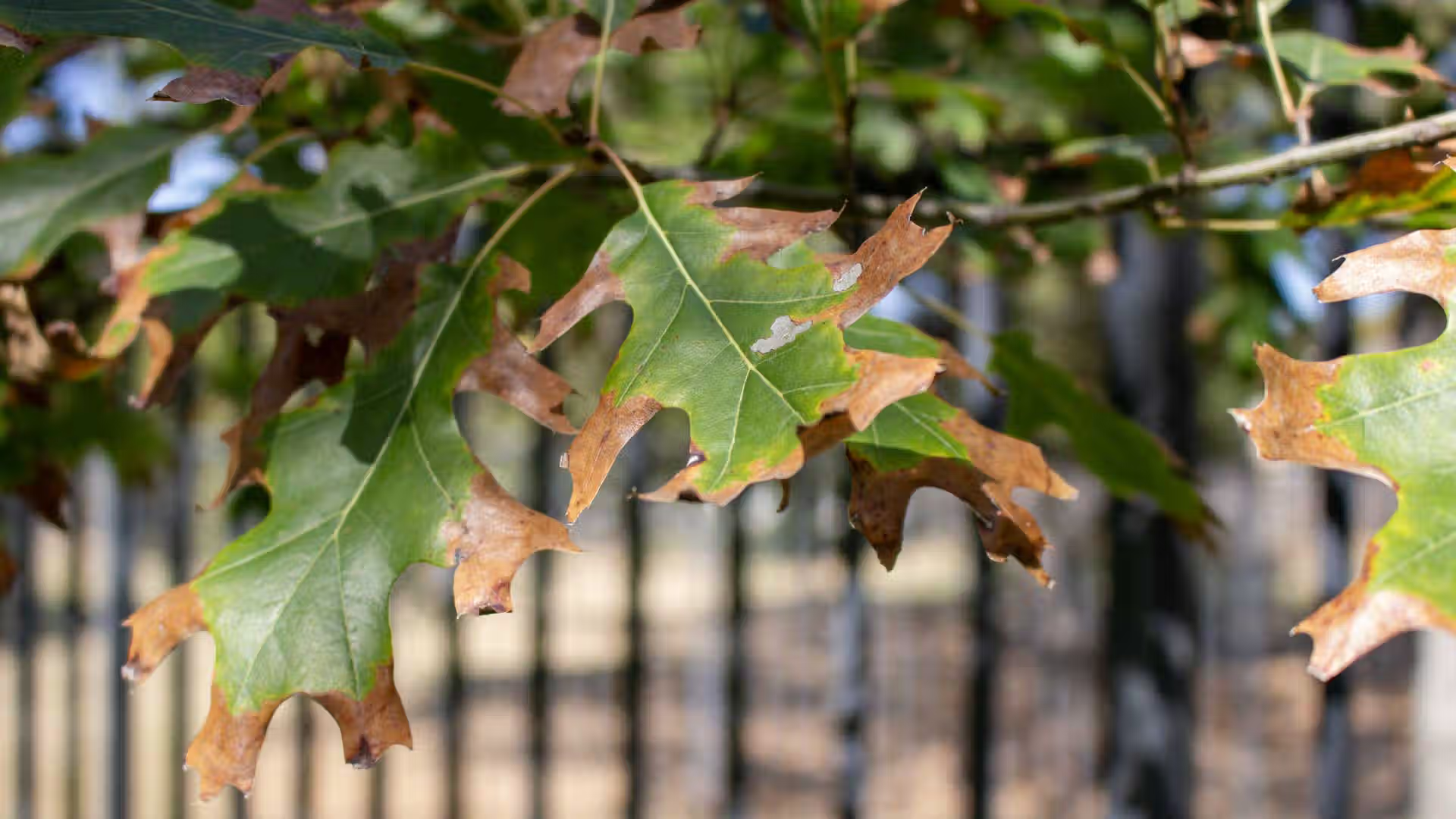
- Browning leaves
- Premature fall coloring or browning
Internal Cracks
External cracks or splits in a large branch or the trunk are easy to spot. Internal damage, however, are not easy to detect, but can pose serious risks to life and property due to their hidden nature.
Signs of possible internal damage:
- Abnormal bark formation, such as peeling, bulging or separations
- Deep or hollow sound when tapped on with a heavy tool
- Signs of rot or decay on the trunk
- Grinding or rubbing sound when the wind is blowing
- Fungal growth
- Sap leaking from the tree
Compacted Soil
While the main cause of soil compaction is human activity, such as the use of lawn mowers and vehicle activity. The soil around a tree’s Critical Root Zone can be affected by heavy rainfall and flooding. The depletion of nutrients in the soil can occur from excessive runoff and/or flooding. Soil compaction can affect the root’s ability to absorb nutrients, oxygen and water.
Signs of possible damage caused by soil compaction:
- Dieback
- Standing water for long periods of time after a rain
- Soil not easily penetrated by a gardening knife
- Premature fall leaf loss
Preventative Tree Care: Structural Pruning
Structural pruning is the best prevention for storm damage. It helps maintain the tree’s natural form, so that it can withstand strong winds and heavy precipitation the way they were designed.
Improper pruning techniques, such as the popular Lion’s tailing, set a tree up for failure. It does not take into consideration the risk posed to life and property, nor the long-term health of the tree.
When to Call an Expert
If you think that your tree has been damaged by a storm, the best thing you can do is call an ISA Certified Arborist to perform an inspection. Tree Shepherds has ten ISA Arborists on staff that must take ongoing education courses to keep them current on tree knowledge, risk assessment and local factors affecting tree health.
If you’d like to have your tree inspected, please give Tree Shepherds a call: 972-317-9598.
We serve Flower Mound, Copper Canyon, Denton, Double Oak, Highland Village, Lewisville and the surrounding areas.