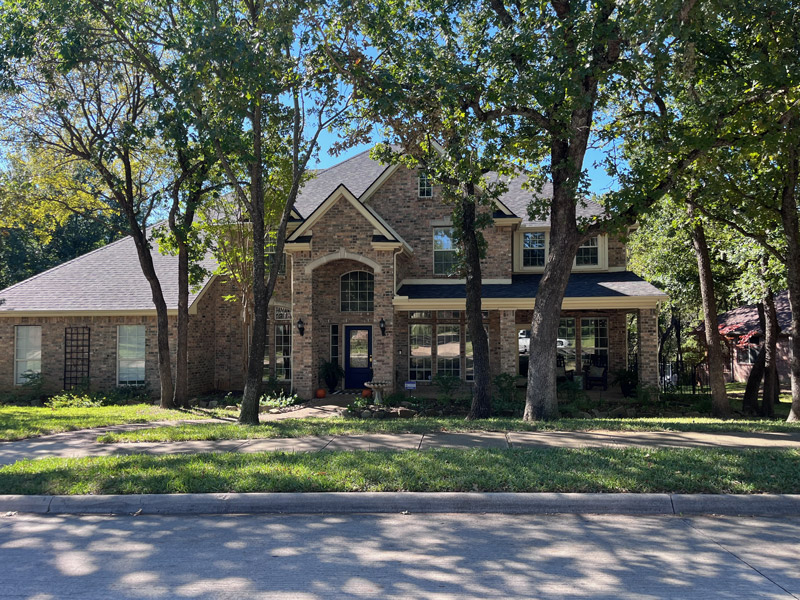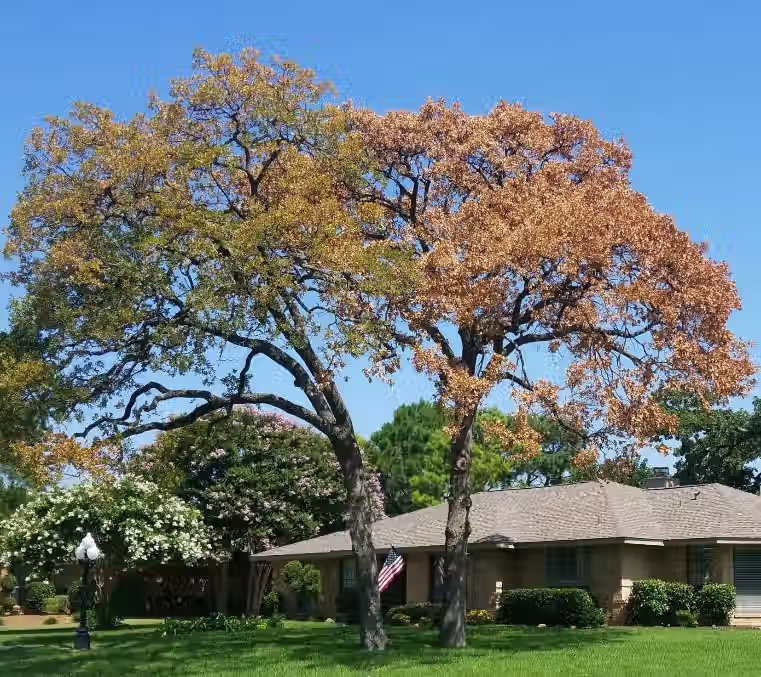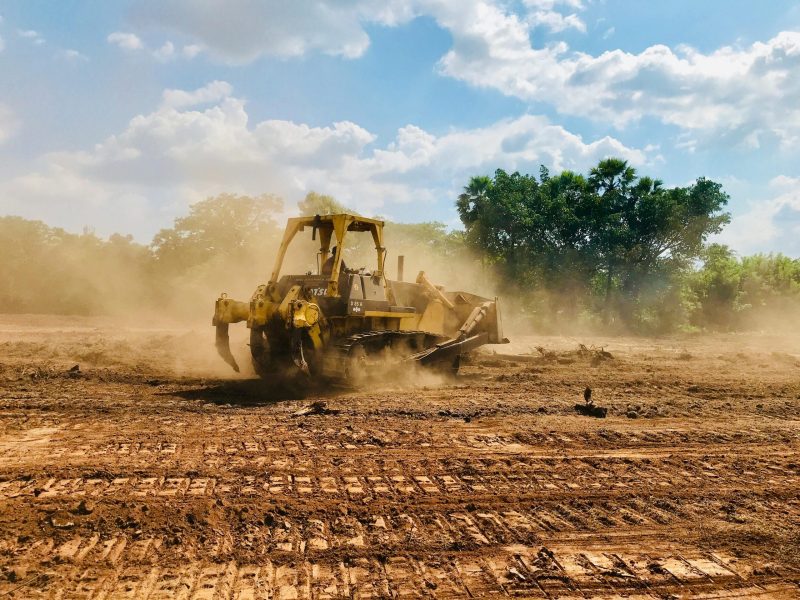
North Texas trees, particularly Post Oaks, have suffered greatly from development in the DFW metroplex. Those trees that have not been removed to make way from new homes, businesses, and roads, have had large portions of their vital root system cut, crushed or buried under concrete.
A tree’s roots are just as important to the health and vitality of a tree as its branches, perhaps more so. The roots, while unseen, are responsible for absorbing not only water, but nutrients as well as oxygen. Protecting a tree’s roots will ensure it remains healthy and able to resist disease throughout its long life.
How Construction and Development Hurt Trees
Developing an area of land often requires that the ground be leveled. This can result in the removal of precious topsoil as well as the compaction of soil around a tree’s feeder roots.
The feeder roots of most trees grow close to the surface, within 6-inches. Driving a truck or any other machinery over the surface will compact the soil. Compacted soil inhibits the vital exchange of oxygen and nutrients to the roots. Dumping a foot or more of lifeless fill dirt over the root zone is no help either. In effect, soil compaction suffocates feeder roots.
Cutting roots to make way for pools, driveways, foundations, etc. can also lead to tree failure. If not treated properly, severed roots can open the tree up to disease. Rotting roots, hidden underneath the surface, are a leading cause of tree failure in a storm.
Protecting the Critical Root Zone

So how do you protect your tree’s roots? Arborists call the area in which a tree’s roots exist the Critical Root Zone or CRZ. The CRZ extends beyond the edge of the canopy/drip line. A large tree, for example, with a 24 inch diameter trunk, will have a CRZ that extends 36 feet from the trunk of the tree. No construction or development should occur within the CRZ of a tree. The tree will suffer injury that it may or may not recover from. A temporary chain link fence around the CRZ is recommended to protect the roots and soil during construction.
Caring for Damaged Tree Roots
Unlike smaller plants, trees do not show signs of damage overnight. It can take months or even years for trees to fail from damage incurred from construction. Whether you live in a new home or an older one, it is important to have the health of your trees and the soil they exist in evaluated.
Leveling the ground around a tree can easily lead to buried root flares. As a new homeowner, who might be unfamiliar with the state of the trees in the yard, you might not realize that root flares have been covered up by landscaping efforts. Excavating root flares will significantly help your tree to grow and fight off diseases and pests.
An organic fertilization program can help restore life to the soil. Many years will elapse before enough organic material decomposes in an urban lawn to regain a good top soil. Applying organic material speeds this process up. Organic material can come in the form of compost, mulch, or liquified nutrients. Liquified nutrients allow for the quick application of a variety of organic material without changing the aesthetics of the lawn.
Special Note about Post Oaks
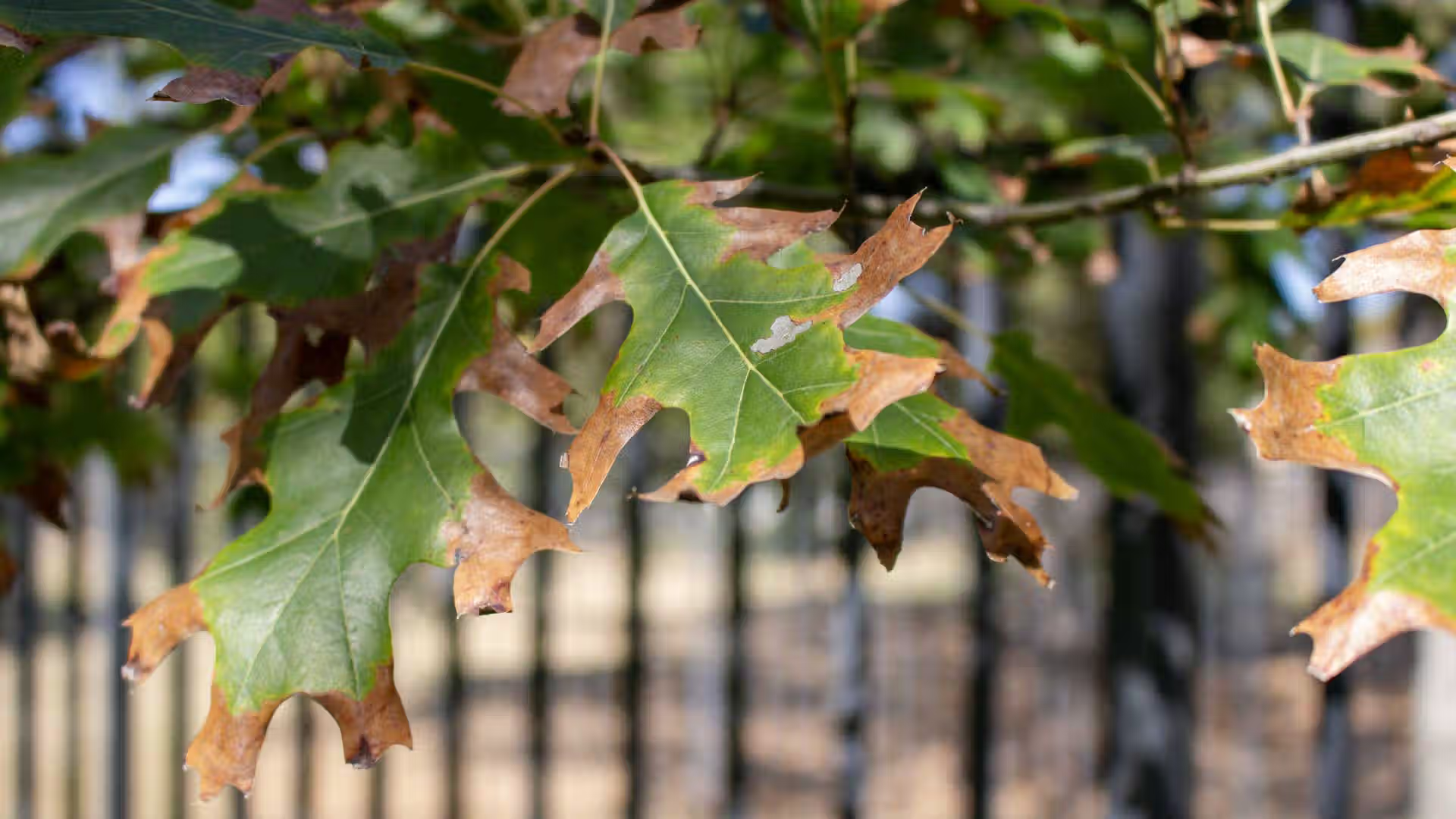
Post Oaks are particularly vulnerable to human activity. If you have Post Oaks in your yard, they might be struggling due to soil disturbance and compaction, as well as poor drainage brought about by soil alteration. Proper watering techniques are especially important for Post Oaks for this reason.
Call Tree Shepherds
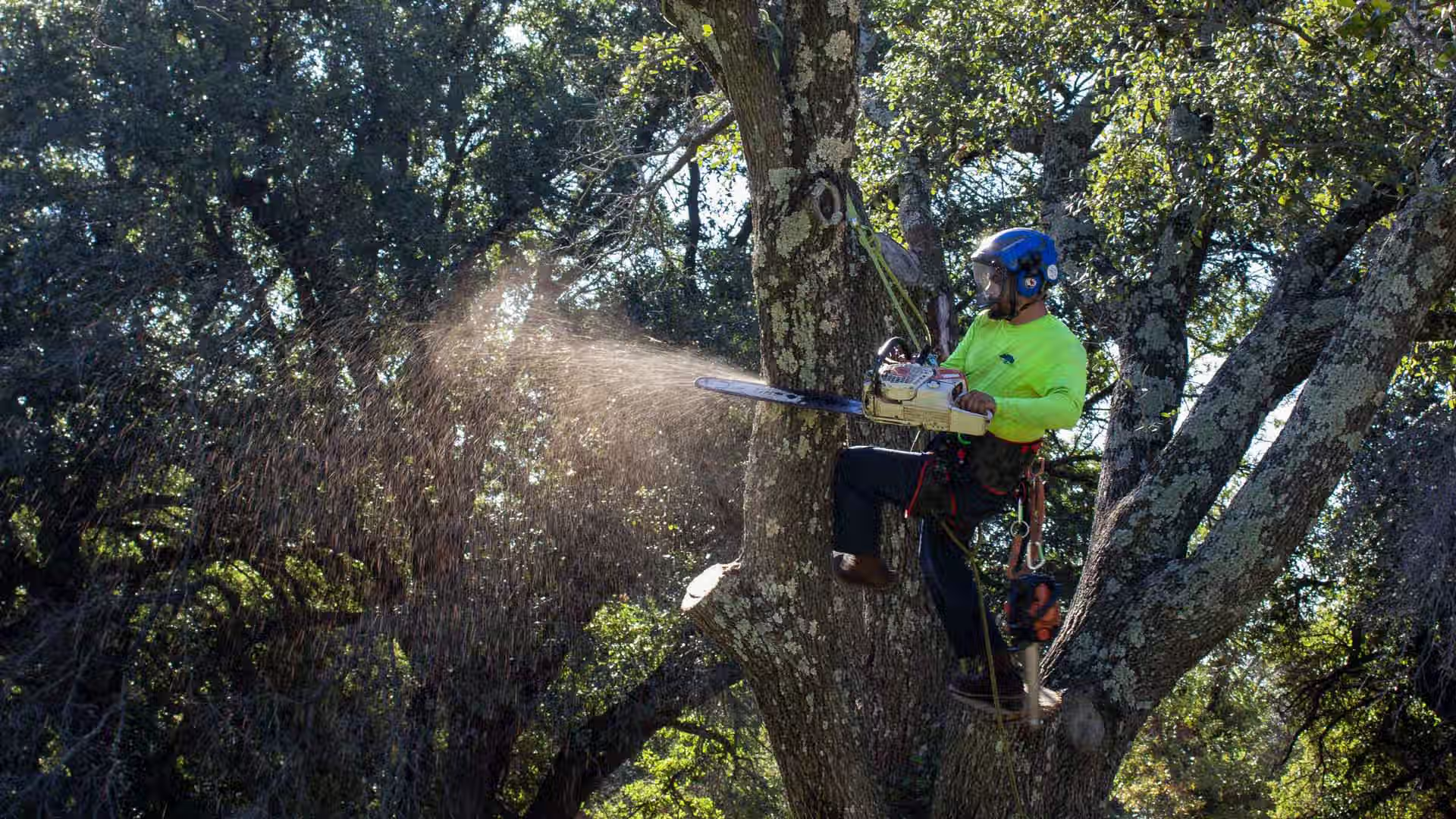
If you have questions or concerns about the root system of a tree, we recommend that you consult an ISA Certified Arborist with special training in Plant Health Care. Tree Shepherds currently has ten ISA Certified Arborists on staff. Please give us a call to set up an appointment to have your tree’s roots evaluated for possible damage. We have organic soil treatments and other damage mitigation techniques that can help.