
Author: Tree Shepherds Tree Experts
-

Early Tree Death and Improper Pruning Practices in Flower Mound
You Get What You Pay For? Does the tree shape in the photo above look familiar? If so, then you’ve seen the results of improper pruning. Lion’s Tailing, as it is known, is destructive and harmful to trees. While it might allow the grass to have more sunlight or the front of the house be…
-

Beautiful Trees and Lawns without Harsh Chemicals
The summer in Denton County and the surrounding area has been kind to urban trees and lawns. But August is here, and the temperatures are turning brutal. As your lawns begin to require more water to keep them near green, you might want to consider other ways to keep your lawns and the trees that…
-
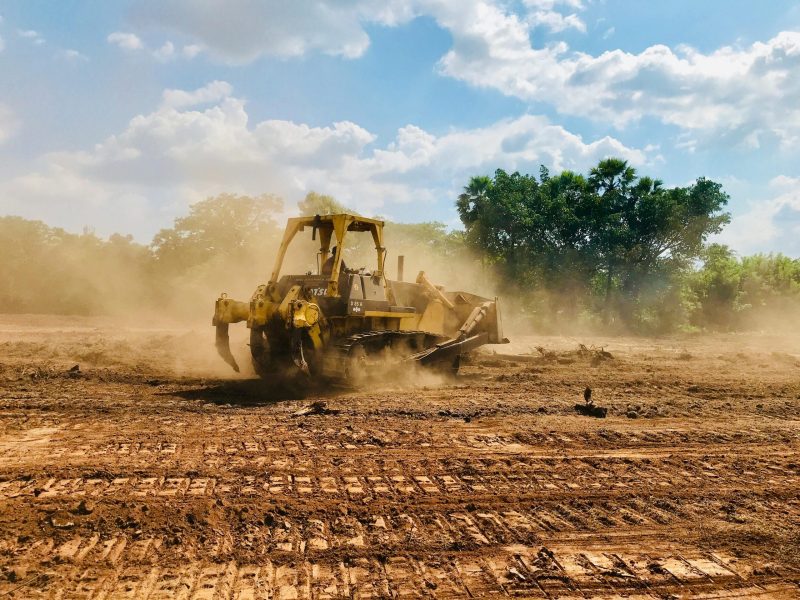
How Trees Are Damaged by Nearby Construction
North Texas trees, particularly Post Oaks, have suffered greatly from development in the DFW metroplex. Those trees that have not been removed to make way from new homes, businesses, and roads, have had large portions of their vital root system cut, crushed or buried under concrete. A tree’s roots are just as important to the…
-

Can a Tree With a Split Trunk Be Saved?
Storms in North Texas can be fierce. Broken limbs and upturned trees pose danger to life and property. Having trees that are structurally sound are important to your peace of mind and the avoidance of any sort of liability. If a tree has been damaged or weakened by a storm, there are solutions. Tree bracing…
-

Post Oaks and Phytophthora and the Potato Famine in Ireland?
In this post, we’ll interview ISA Certified Arborist John Imperial. John is a consulting arborist at Tree Shepherds with special training in Plant Health Care. What does the Potato Famine in Ireland have to do with tree care in Denton County? The root cause of the Potato Famine in Ireland in the 1800s was an oomycete…
-

Can Ash Trees be Saved from the Emerald Ash Borer?
What is the Emerald Ash Borer? The Emerald Ash Borer (EAB) is a brilliantly colored green beetle that emerges in May. The EAB has been devastating Ash trees from Michigan to Texas and all along the East coast. The EAB is native to Asia and has no known predators in North America. What Counties in…
-

How to Keep Your Trees Safe in a Storm
Are Your Trees Ready for Spring Storms? March through May can be a stormy time in North Texas. Thunderstorms, strong winds, hail and tornadoes. And while many of you know how damaging these weather events can be to roofs and, consequently, insurance premiums, have you considered the cost to other parts of your property, namely…
-

How to Improve Your Tree’s Health While It’s Sleeping
Dormant Tree Health Care It’s important to care for your trees year-round. While they might be sleeping during the winter months, there are a few things you can do to now to ensure they meet the spring and summer with strength and vigor, and are at their best to fight off disease and pests. Dormant…
-

Mulch Volcanoes: Helpful or Harmful to Your Trees?
What is a Mulch Volcano? A “mulch volcano” is a large pile of mulch heaped up against the trunk of a tree. These piles, while often the work of landscaping companies, are very harmful to trees. They place stress on root flares, bark and deep roots, which can lead to decay and disease. Mulch Volcanoes…
-
What is the Best Fertilizer for Trees?
Correct Fertilization Practices = Healthy Trees Not all fertilizers are alike. The use of incorrect fertilization formulas and practices can be detrimental to a tree’s growth and development. Tree Shepherds’ fertilization program focuses on building up the soil. This consists of injecting microbes as well as food for the microbes into the tree’s Critical Root Zone.…