
Author: Tree Shepherds Tree Experts
-
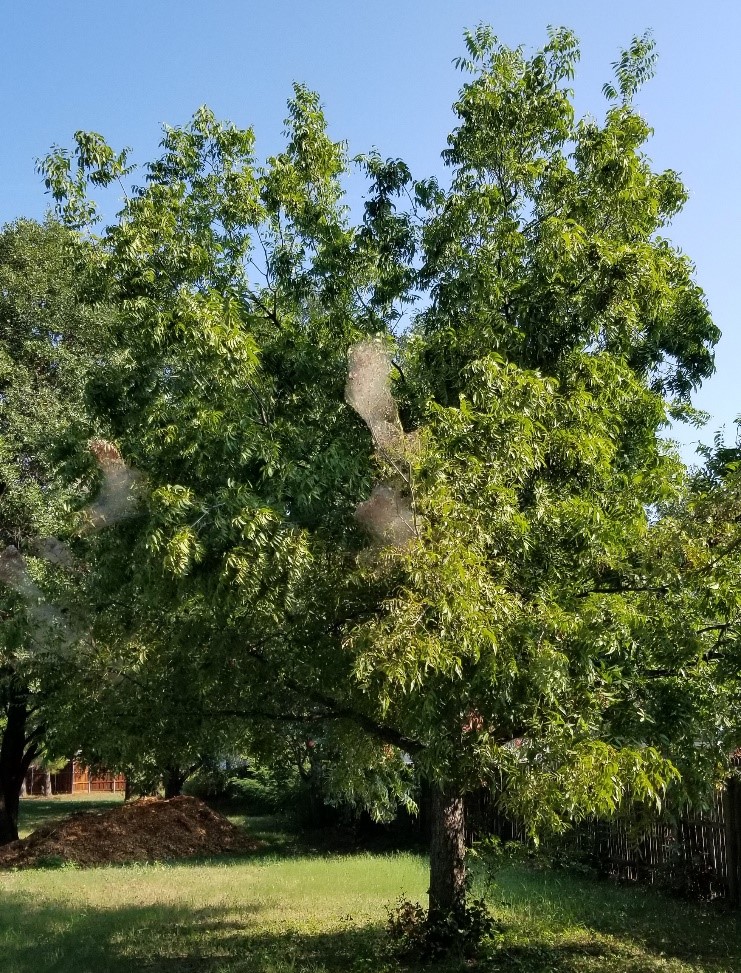
Fall Webworms
Fall webworms are commonly seen in the autumn, as the name suggests. The small, web-forming caterpillar attacks over 88 kinds of plants and trees. In North Texas, Oak, hickory, and pecans trees are the most frequently infested, along with some ornamentals.
-

Preserving Post Oaks in a Hot Urban Environment
Post Oaks Sensitive Root Systems Post Oaks are very tough trees. If left undisturbed in their natural environment, they can live to be over 300 years old. However, when their root systems are compromised by nearby construction and over watering of turf lawns, the summer heat can be devastating. When Damage Has Been Done to…
-

How to Grow the Value of Your Trees
A tree, correctly planted and cared for, can add sizable value to your home. In a study done by the US Forest Service, trees were found to increase property values in three key areas: Urban Trees Need Proper Care Trees are an investment that can have many returns. But, like any venture, thoughtful management is…
-

Why Are Crepe Myrtles Turning Black?
It is a rare neighborhood in North Texas that does not have a crepe myrtle or two planted along its streets. Crepe myrtles bloom in the summer, adding color and pop to any landscape. But like any plant in your yard, crepe myrtles need the right care and treatment, or they could become diseased or…
-

Trees for Small Yards
Which trees would we recommend for small yards in North Texas? Property owners in North Texas have many choices when it comes to tree species. For those that have limited space, we recommend that you consider the species listed below. Consulting with a ISA Certified Arborist is also a good idea, as there are many…
-

How and When to Stake a Tree
Staking a tree at planting is not always necessary. If it is done improperly, it can cause serious problems for the tree. Below are some dos and don’ts for staking a tree. When is it Necessary to Stake a Tree? Not every young tree needs to be staked. In the forest, young trees establish roots…
-

Privacy Trees and Shrubs for North Texas
Neighbors too close? No fences allowed by your H.O.A.? Street traffic a little too noisy? ISA Master Arborist and Tree Shepherds owner, Scott Geer has the following suggestion for trees and plants that can help make your landscape more private and less noisy. All the species recommended are evergreen, meaning they’ll add color to any…
-

Should You Water Your Trees in the Winter?
Trees in urban and suburban areas are susceptible to drought injury, even in the winter. To carry trees through the colder months and into the growing season, homeowners will need to water occasionally. This is especially critical for newly planted trees.
-

Incorrect Planting Practices Could Be Making Your Trees Sick
Trees that have been planted too deeply are, unfortunately, a very common problem in the urban landscape. How can you tell if your tree is planted too deeply? Where’s the Root Flare? Trees aren’t supposed to look like telephone poles sticking out of the ground. They are supposed to have a taper or “flare” at…
-
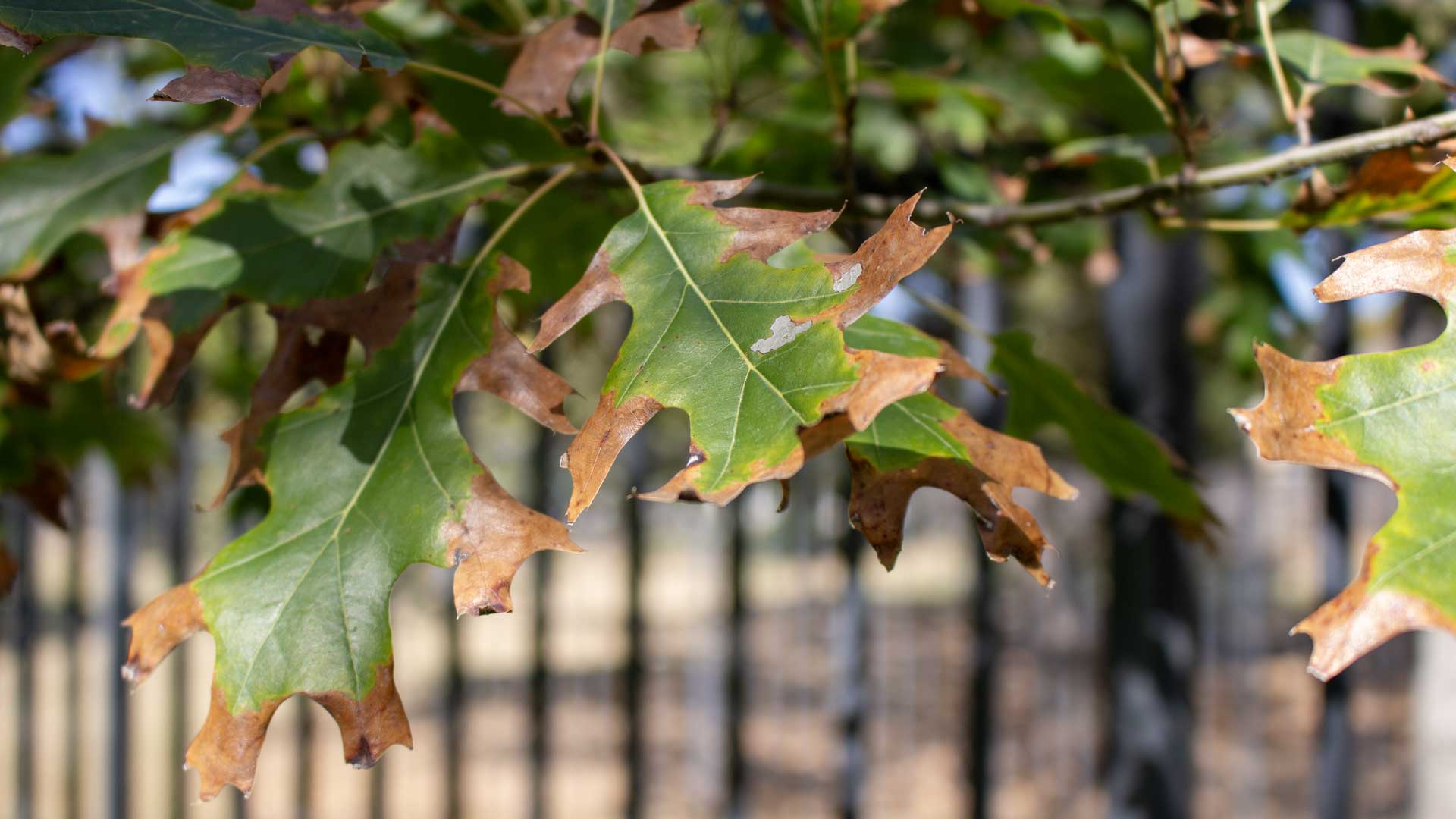
Caring for Trees in a Drought
The summer of 2022 has been difficult for those in North Texas. We’ve had little rain and record-breaking heat. And the weather forecasters say that there’s only more challenging days ahead. Are Your Trees Dying or Just Thirsty? While native trees such as post oaks, cedar elms, and Texas live oaks are designed to handle…